Let’s take a walk and grab a beer.
San Jose’s newest Whole Foods Market includes the company’s first in-store microbrewery and tap room in California. But the real story is the way the building responds to its urban context, effectively serving as a gateway structure for the neighborhood. The site is within the Diridon Station Area Plan, which Field Paoli was instrumental in developing, coincidentally, and which was implemented in mid-2014. The plan designated this area as an urban village, intended to support a wide variety of commercial, residential, and institutional land uses with an emphasis on establishing an attractive and pedestrian-oriented urban form. New development along The Alameda is required to include active and functional retail space fronting the street.
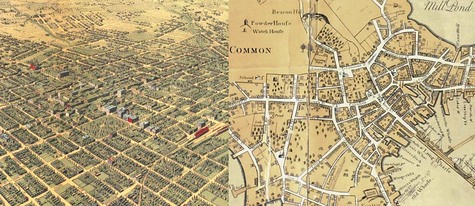
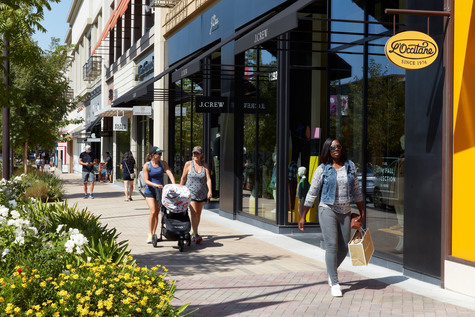
We’ve probably all walked along a sidewalk adjacent to a sea of cars without even realizing there is a grocery store beyond. Too often, grocery stores sit back from the street, deadening the pedestrian experience. In this case, the site is on a prominent intersection, just a short walk from Diridon Station and the SAP Center arena—it’s essentially the first thing you see as you emerge from underneath the Caltrain tracks into this side of town.

Whole Foods Market’s regional president at the time wanted this store to have a second-floor beer garden. As beer drinkers ourselves, we loved that idea. We talked about the constraints of the site, which has a triangular shape created by the intersection of Stockton Avenue and The Alameda. That shape posed a challenge, because grocery stores are essentially rectangular. An added complication was that the structure needed to be simple, in order to keep costs down. We also wanted it to reference the area’s industrial past, reflecting the way Whole Foods Market tailors each store’s offerings to its particular area and demographic makeup.

To mitigate the scale of the 35,000-square-foot building and address the complex geometry of the site, we broke it into three volumes. We decided to create a two-story structure at the corner that would contain the beer garden and brewery and serve as a kind of jewel box to mark the intersection with a dynamic presence. This piece hugs Stockton Avenue. That enabled us to place the market portion into a relatively simple rectangular box that runs along the edge of The Alameda. The space created between the volumes is where the action is.

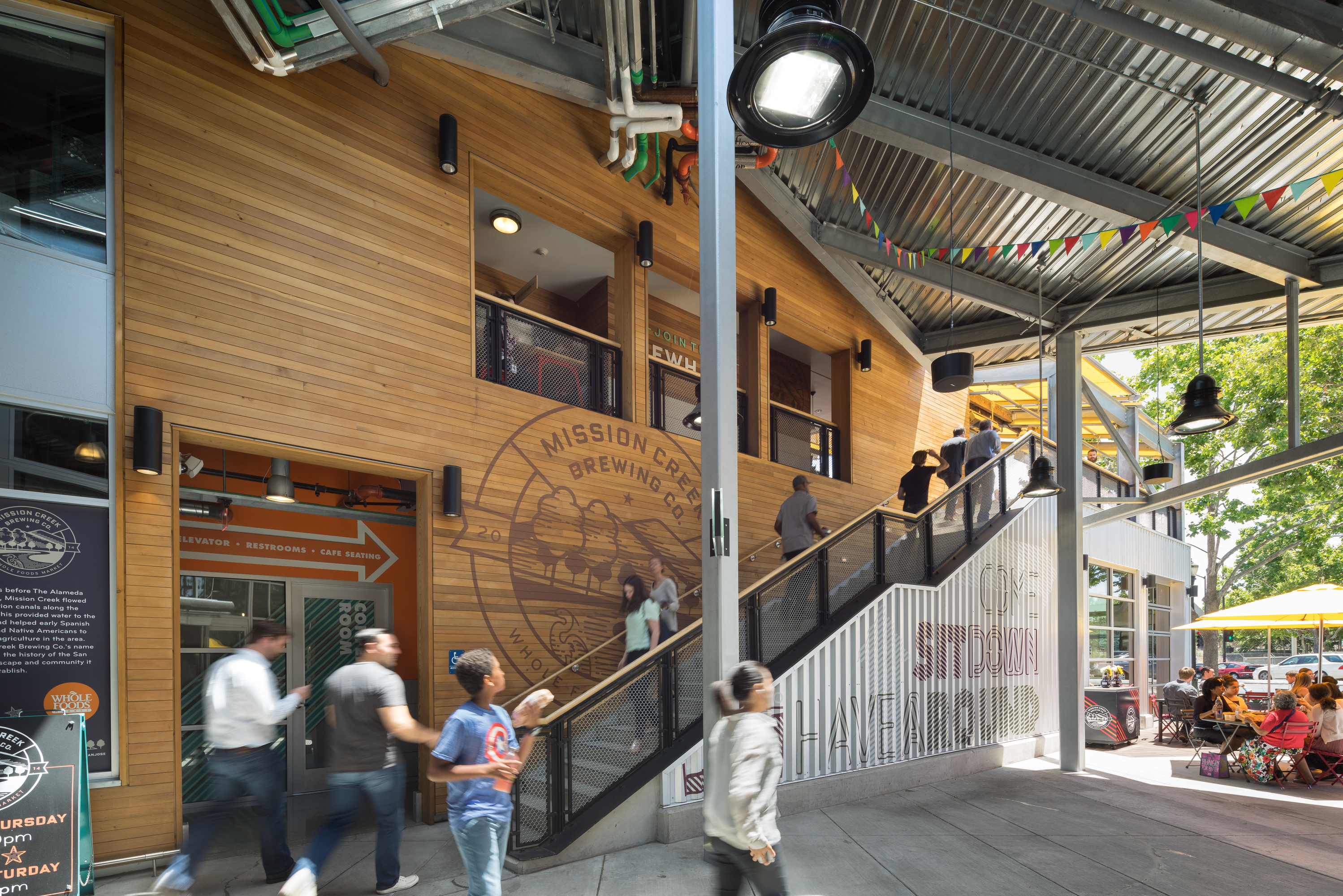
The entrance plaza welcomes pedestrians from both streets and from the parking lot farther back on Stockton. A covered paseo links the two volumes. To allow for onsite consumption of alcohol, there’s sidewalk café seating in the plaza along The Alameda, with planters continuing the line of the street edge, and more café seating on the parking lot side of the plaza. The beer garden is reached via an exterior stairwell. Perched on the roof, it offers great views to the SAP Center, and it’s also highly visible from the street. The first floor of the brewery building has an indoor dining area, visible to the street through large windows and operable overhead doors. The intent was for the most public spaces of the building to activate the corner.
The city initially asked us to place the store entrance on The Alameda, which is the main pedestrian street in the area. The residential density has increased a lot in this area, so pedestrian traffic is up. But from an operational perspective, a grocery store entrance should be off the parking lot, so shoppers can easily load groceries into their cars. By treating the corner plaza as the main entrance to the project, and creating a paseo in between the brewery structure and the market structure, we were able to do the right thing from an urban design standpoint and satisfy the operational needs of the client. Although the entrance to the building is technically not on The Alameda, it draws people from both the street and the parking lot.
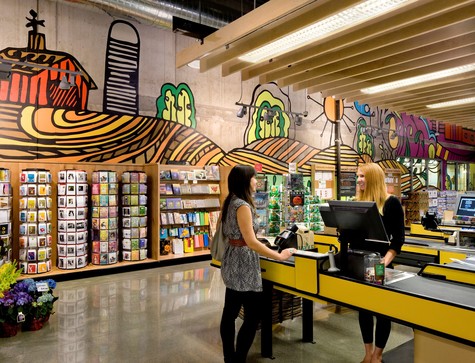
We clad the exterior in brick and corrugated metal in a nod to the area’s industrial history. Although the client worked with another architect on a lot of the interior design, the Whole Foods Market team took cues from our design and color scheme, which includes hues drawn from the salt flats of the South Bay and from spice markets.

Since the store opened in December of 2014, the seating areas are regularly full, especially during lunch and dinner and when there are events at the SAP Center. In fact, we recently added more chairs and tables because diners were having a hard time finding a spot to sit down. With more and more residents everywhere realizing the appeal of walkable urban places, and with more people putting a premium on the experience of shopping and dining, rather than just on filling their carts or their bellies, it makes sense for more grocery stores to abandon the suburban model that puts parking lots up front. Grocery stores can take advantage of the power of food (and drink) to make our cities even more dynamic and appealing places to walk and hang out.

Related Articles