Scent: The Forgotten Storyteller in the Retail Environment
Walk into a store, or a hotel, or a home. What do you smell?
That first whiff of a space characterizes it in ways that don’t always reach
our conscious understanding. Dannielle Sergent, a designer at Field Paoli, has
purposefully developed her sense of scent. Combined with her talent for spatial
design, fragrance fulfills Dannielle’s penchant for storytelling. She sniffs
out the authentic scent of a place the way a painter picks out green in a
sunset.
This October, Dannielle and Field Paoli principal Christen Soares will be leading an interactive workshop for the International Retail Design Experience in Boston. Participants will learn how scent has been used to shape people’s experience of space throughout history, how to improve their own sense of smell, and get strategies for incorporating scent into store design.
We sat down with Dannielle to learn more about scent and retail sensibility.
FIELD PAOLI: Dannielle, how did you get into the practice of scent?
DS: I’ve always had a strong sense of smell, and I’ve worn perfume or fragrance since I was about twelve years old. In 2008, during the recession, when I had some “free time,” I literally woke up one morning and said, “Today I’m going to be a perfumer.” I looked up classes online and local perfumer Yosh Han had one person cancel for the very next day, so I took their slot.
The day after attending the workshop I decided to launch my business, COGNOSCENTI.
The first year I just got to know the ingredients – ordering from all over the world. The artisan fragrance movement was just starting, and you could order small quantities online, whereas previously you could only get large quantities. I experimented with all that I could get my hands on.
The second year I did the branding and graphics for the brand and I launched COGNOSCENTI two years to the day of that class.
Yosh Han, together with TasteTV, was putting together the first fragrance salon on the West Coast. She said, “You should join.” It was a good hard deadline for my launch. I was accepted and had a spot way in the back. There were 20 other awesome small perfumers from Canada all the way down to SoCal, some from Colorado. I was excited just to have everybody smell my first forays into scent development.
I was fortunate enough to win multiple awards. That got me press and exposure, and that rolled into international visibility and customers.
FIELD PAOLI: How does scent relate to the practice of architectural design?
DS: Scent relates to everything. Architecture ignores it.
When you’re on a job site, you smell the concrete, the wood being sawn, the wet earth. As it gets enclosed, you sometimes smell the off-gassing of material you should leave the windows open to address that.
There’s so much more that goes into our environment than just the visual. You can’t live in any environment or community without being affected by scent. It shouldn’t be something people think about at the end. Everybody should be trained to understand the scent around them. It should be taught like color is in school. Or like color used to be taught in school.
Scent is not just perfume it is also the science of smelling. Perfume is a poetic interpretation of a perfumer’s vision for something that they want to share with others, it is an olfactive story. It often transports you to another place and time. New fragrances may inspire thought provoking questions – there are scents that smell not just good but interesting.
When people think about scent in environments, they often think about the bad examples: The casinos in Vegas were overpowering but also were the first to pump smells in to make you forget where you were (and to forget the smell of cigarettes and stale money). Good examples are spas which often smell of clean water and lavender, both are relaxing and uplifting.
When I think about scents in environments I think about fragrant components that align with either the intended program of the place or a desired effect of the users in that particular program.
FIELD PAOLI: How has scent traditionally been used or thought of in the retail environment?
DS: There are two great branded scents in modern retail: Cinnabon, which is the smell of a mall; and Abercrombie & Fitch’s “Fierce.” Cinnabon locations were strategically placed so the smell greeted you and drew you in. “Fierce” was designed to attract the teens who loved it and drive away their parents. So it was a simultaneously inclusion / exclusion – an interesting way to approach scent.
 FIELD PAOLI: What about in food and beverage
environments? Can scent play a role there, too?
FIELD PAOLI: What about in food and beverage
environments? Can scent play a role there, too?
DS: At Jamba Juice, I was in meetings about oranges quite a bit. There are three orange crops across the US and they get ripe at different times. The orange scent is very important to Jamba Juice because it represents fresh juicing. One year, a freeze disrupted the stock and we had to find a way to integrate the scent into the environment without juicing those oranges.
Jamba Juice has always thought of scent as important to their brand.
FIELD PAOLI: How do different scents impact the shopping experience? Do you think there are scents that encourage people to linger or change behavior?
DS: What scent should talk about is who the brand thinks they are or who their customers are. A lot of brands want to tell stories in their stores but ignore the one sense that is directly connected to the part of the brain that is responsible for memory. By ignoring it architects and designers create an unintended narrative. What is the scent of the place telling you?
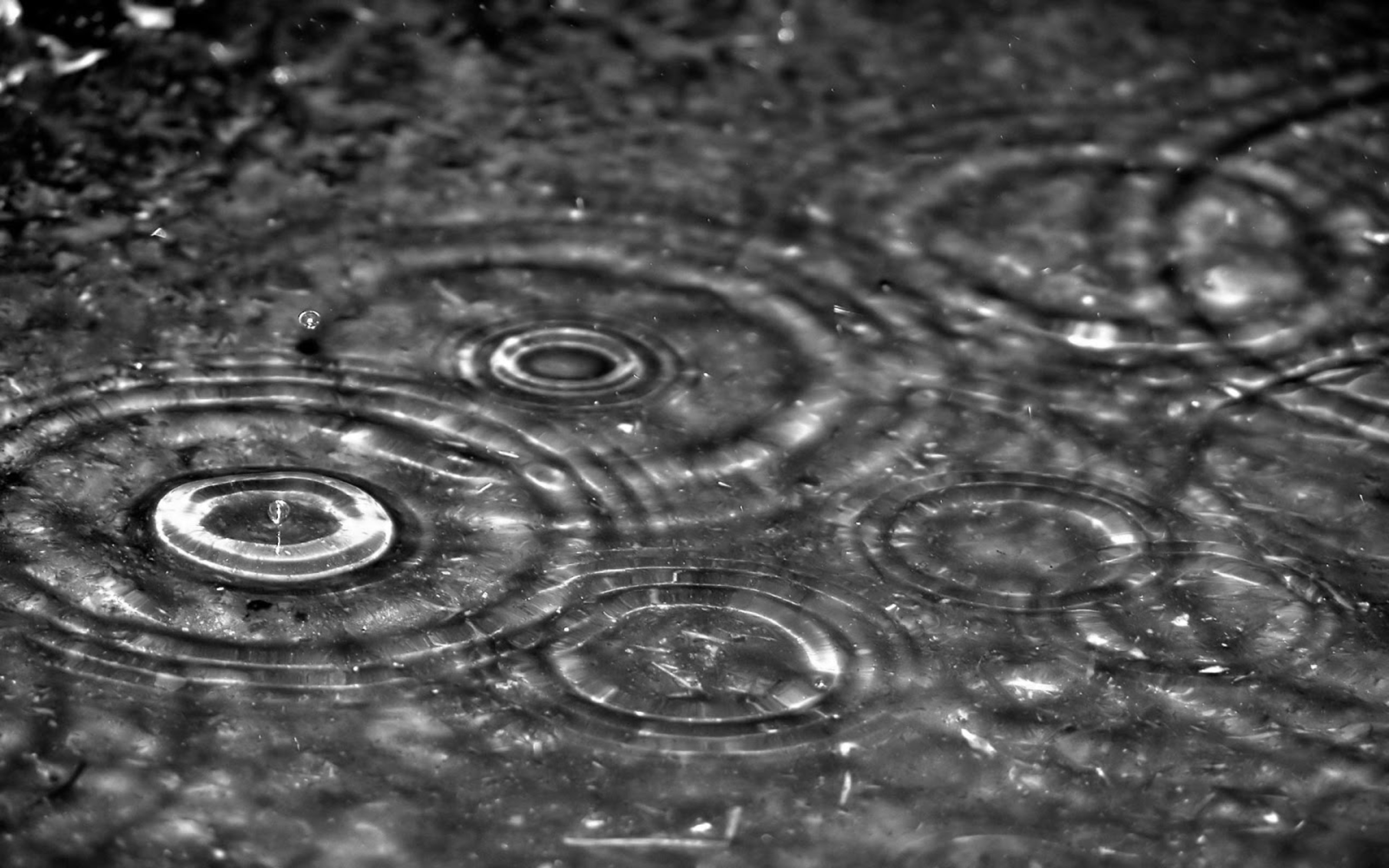
The best example we’ve done [at Field Paoli] is for a large project in the desert. We were discussing the importance of designing a calm and cool place, so I created a scent story for them that aligned with that. I said, the first thing you want to smell is the smell of rain on dry earth. It’s a cue to be cooler. So I paired that with green stems – the smell of large tropical green leaves, and a hint of flowers. An imaginary cool garden to counteract the hot dry and oppressive desert. It wasn’t a perfume, it was the scent of another place.
There’s also just an inherent beauty in the smell of natural materials in an environment. Scent is the missing element in biophilic design – it should be one of the main components.
 FIELD PAOLI: Why do you suggest people actively work to improve their
sense of smell? What benefit might that offer?
FIELD PAOLI: Why do you suggest people actively work to improve their
sense of smell? What benefit might that offer?
DS: Once upon a time it was the most important of our senses. We used our ability to smell to keep us safe, fed and to find suitable mates. It is now largely ignored but smelling is linked to long-term health so we should pay attention. One of the first symptoms of Alzheimer’s and depression is losing your sense of smell... Scent goes directly into your brain without filters so you smell before you know. This is important in retail as there is no ability to change the immediate perception of smell with words or images.
Introducing scent into your environment isn’t always about fragrance. You want to pay attention to the passive smells in your environment, building your environment so it smells good, so you don’t have to actively push scent into it to make it smell better
It should be about scent ingredients that trigger emotion, or memory. If you’re a travel agency and you’re doing a tropical promotion, why wouldn’t you have something that smells like the beach?
It’s thinking about the scent touchpoints of your space and how people move through it. There should be a scent journey, some sort of pathway through. At a restaurant you don’t smell your steak right up front: You have a journey. You walk past the bar, maybe smell limes being cut. You get your wine, your bread. The restaurant has a path. Most stores don’t.
Join Dannielle Sergent and Christen Soares for the interactive workshop, “Scent: The Forgotten Storyteller in the Retail Environment,” October 2 at the International Retail Design Conference in Boston, Massachusetts. Contact Field Paoli to learn more about Dannielle’s work in scent and design for retail.
Related Articles