Retail on Campus: Expanding the Frontier
While main street retail is almost always carefully designed and managed, on-campus retail has often been an afterthought. With academic institutions competing more than ever to attract students, it’s time to rethink traditional campus offerings.
Because so much of contemporary life is spent online, physical social spaces have to work harder than ever to coax students to look up and interact in the real world. Well-designed retail spots can become one of the enjoyable gathering places on campus where students, staff, and faculty share community.
Students appreciate humor. Energy and options. A choice of a small corner or a large open lounge. Most important is the particular sense of place—creating a campus experience they will remember years later.

Over the last decade, both campus recreational choices and food operations have kept pace with retail trends. And freshmen dorms have also been successfully reprogrammed as places where large groups of incoming students can find friends and learn the ropes. But students continue to need and enjoy social support as they move off campus. Freshmen need opportunities to mix with other students. This is the role of student activity centers—everything from renewed student unions, re-purposed bookstores and infill cafés around campus, to less traditional models such as Saturday markets, rotating food trucks, 24/7 pizza places, and collaborative maker space. Add some well managed retail tenants for shared respite, and the sense of an active community can expand.

Making Great Retail Places
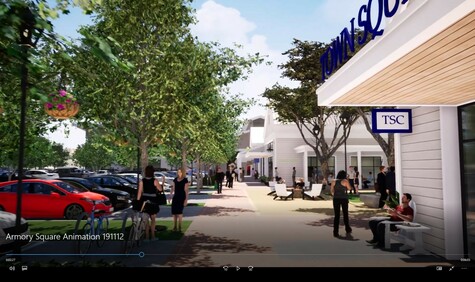
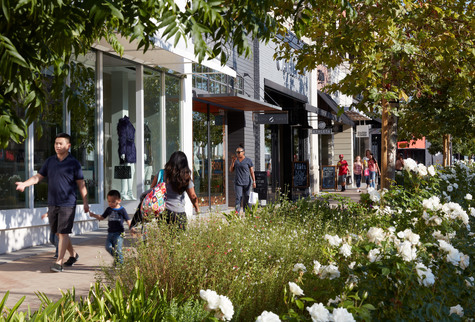
Academic institutions and retail environments share many of the same planning strategies: places to meet and eat; well-lit pathways connecting indoor and outdoor spaces day and night; inspiring landscapes. But retail settings add a layer of entertainment with clear sightlines to storefronts, seating areas planned for people watching, and bold lit signage that celebrates belonging to a particular place.

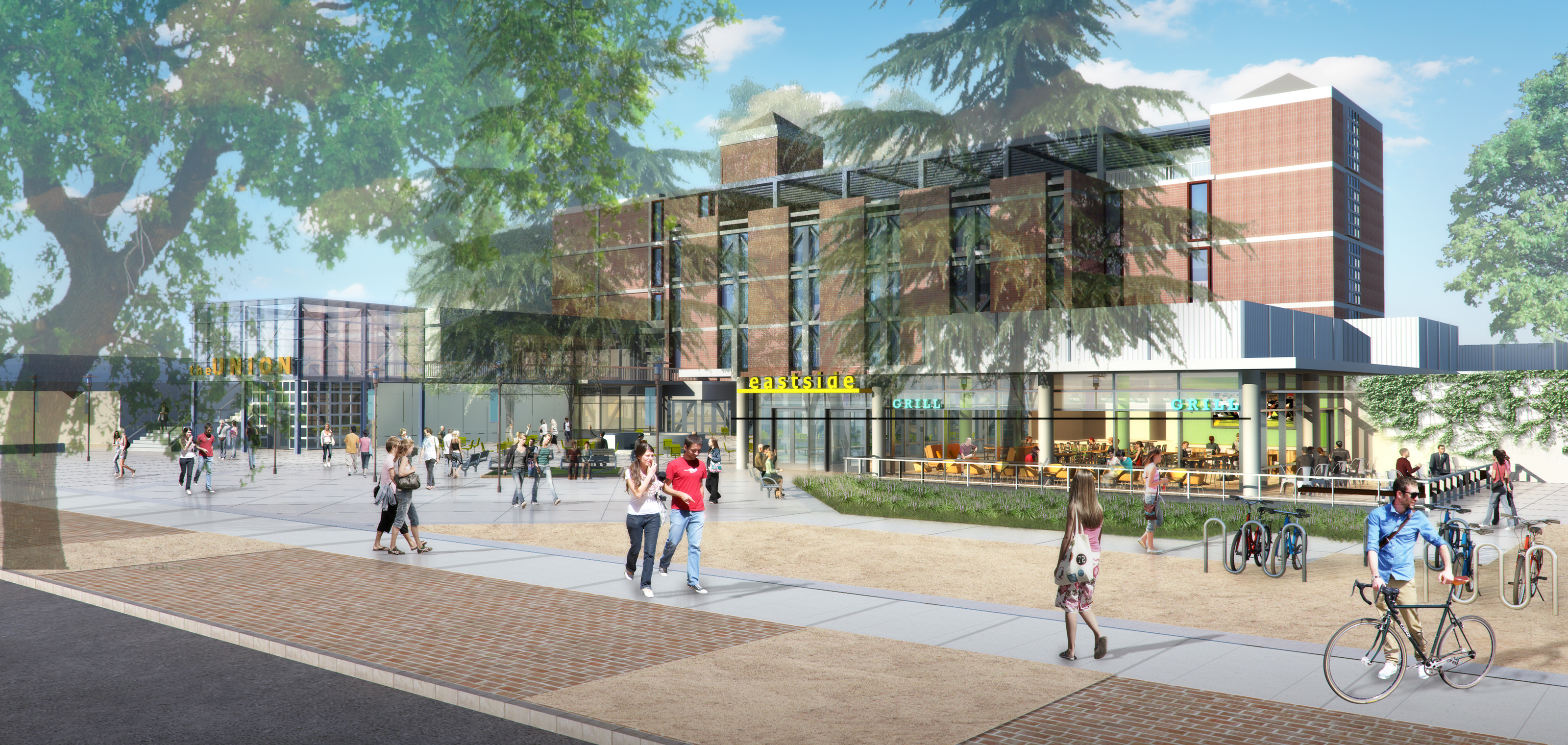
USC’s Ronald Tutor Campus Center and UC Davis’s Memorial Union are two of many new and about-to-be-renovated student centers combining popular food venues with large outdoor plazas, lounges, study areas, meeting rooms and space for associated students groups. Inline retail stores can add energy and revenue to this campus mix, but they do require negotiated contracts, full-time management, good store design, popular product lines, and well-run back-of-house service to thrive. There also has to be sufficient lingering space for shared student experiences.
For many years, national retailers who have been on campus awhile, such as Starbucks, Subway, Barnes & Noble College and Follett have had a leg up. But big box stores like Target have been developing a downsized model in recent years to fit into urban infill sites—it’s only a matter of time before they or similar vendors will be coming on campus. Amazon is now betting that brick and mortar campus locations will benefit the company’s highly successful online ordering and rapid delivery service; the first is open at Purdue University. Not only will they have visibility and proximity to students, there will be a secure place to park ordered materials and process returns. In terms of student spending, smaller tenants such as a sportswear shop, late night frozen yogurt, organic coffee vendor or nail salon are also a fit if a retail street or building wing can accommodate them. Such uses will only be successful if a critical retail mass makes each a part of an active mix, and not a lone and lonely option.

Fixing the Process: Who Runs the Store?
The key to successful campus retail is tenant procurement and management. It’s not as easy as it sounds. Student-run operations can be hard to maintain over time, with student leadership transitioning on an annual or biannual basis. A full-time director/administrator with institutional memory, authority, and retail experience can make the difference between marginal and successful student run operations. Bringing private retailers onto campus has its own challenges to success; retailers need to pass numerous campus approvals, train student staff, tailor their product mix, and comply with institutional regulations.
And national retailers are not enough. Adding local fare is critical to creating a specific campus community base that feels unique. That should mean inviting a local coffee house, popular burger or pizza place, or neighborhood art store onto campus as part of the mix. It may mean more risk and will mean more management. But it also can mean a vibrant destination that the whole campus community will appreciate and enjoy.
Related Articles